Brittle Nails: Is Diet, Damage, or Health to Blame?
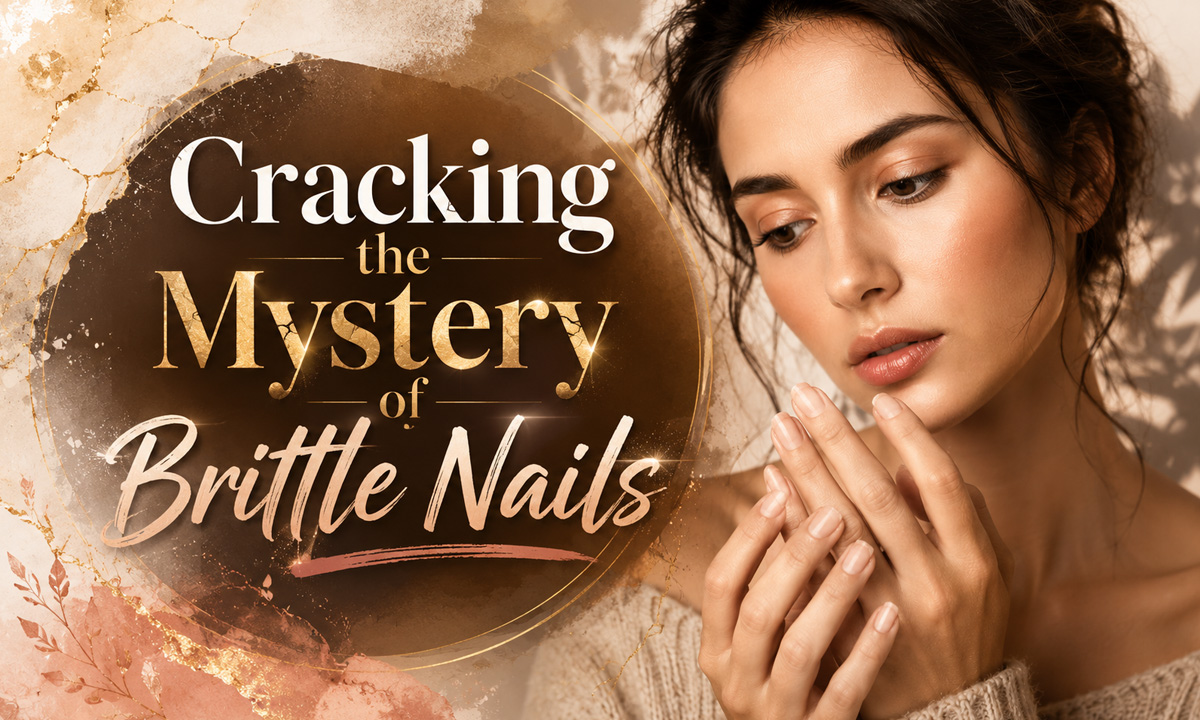
Brittle nails are one of the most common nail complaints, yet most people never figure out why theirs keep splitting, peeling, or snapping. For those who already know their basic nail care routine, the real question isn't "How do I fix brittle nails?"—it's "Why are my nails brittle in the first place?" The answer usually falls into one of three categories: diet, damage, or an underlying condition. Understanding which one applies to you is the difference between a routine that actually works and one that just treats the symptom.
This guide breaks down the science behind brittle nail syndrome so you can pinpoint the real cause and choose the right fix.
What Brittle Nail Syndrome Actually Looks Like
Brittle nail syndrome (BNS) isn't one single symptom—it's a cluster of changes in nail texture and structure. Clinically, it shows up in two main forms:
-
Onychoschizia — the nail plate splits or peels in layers at the free edge
-
Onychorrhexis — vertical ridges form and the nail becomes prone to longitudinal cracking
Some people experience both at once.
The nail plate is made of layered keratin held together by intercellular lipids and moisture. When that structure breaks down — whether from dehydration, mechanical stress, or a metabolic issue — the layers separate and the nail loses its flexibility. That's the mechanism behind nearly every brittle nail complaint, regardless of the root cause.
Is it a diet? Nutritional Factors
|
Diet is often the first place people look, and for good reason—the nail matrix relies on a steady supply of protein, fatty acids, and micronutrients to produce healthy keratin. Key nutritional factors include the following:
|
 |
-
Iron and zinc — deficiencies are linked to nail fragility, sometimes alongside spoon-shaped nails (koilonychia) or pale nail beds
-
Protein intake — keratin synthesis depends on adequate amino acid availability
-
Hydration — the nail plate is roughly 18% water by weight; chronic dehydration alone can increase splitting
If your diet checks out and nails are still brittle, it's worth looking elsewhere before reaching for another supplement.
Is It Damage? Habits and Environmental Causes
 |
For many people, damage is the real culprit, not diet. The most common offenders include:
|
-
Over-filing—coarse emery boards used in a back-and-forth motion create microscopic fractures that weaken the free edge over time
-
Climate—cold, dry air pulls moisture out of the nail plate faster than it can be replenished
The pattern is usually easy to spot: if your nails get noticeably worse in winter, after a string of manicures, or during a stretch of frequent hand washing, damage is likely playing a bigger role than diet.
Or Something Else? Underlying Health Conditions
When diet and habits don't explain the brittleness, it's time to consider an underlying health factor:
-
Hypothyroidism—one of the most common medical causes; thyroid hormone directly affects keratin production, and slow growth combined with dryness and ridging is a classic sign
-
Iron-deficiency anemia can present with the same fragility pattern noted above
-
Aging naturally thins the nail plate and slows growth, increasing susceptibility to splitting
-
Nail psoriasis often causes pitting and separation alongside brittleness
-
Fungal infection — tends to cause yellowing and thickening rather than pure brittleness
These distinctions matter because each one calls for a different treatment approach.
 |
In reality, brittleness is rarely caused by a single factor. Nutritional gaps, repeated physical stress, and underlying health issues often work together, which is why focusing on just one area usually delivers limited results.
"Brittle nails are rarely caused by just one factor. Diet, mechanical stress, and underlying health often overlap."
Treatment & Prevention by Cause
|
Once you've identified the likely driver, the fix becomes much more targeted. For diet-related brittleness:
|
 |
For damage-related brittleness:
-
Wear gloves for dishwashing and cleaning
-
Switch to acetone-free polish removers
-
Space out gel and acrylic applications
-
Apply cuticle oil daily to replace lost lipids
-
File in one direction only — never back and forth — to preserve structural integrity
For health-related brittleness:
Nail strengtheners and keratin-based treatments can support the nail plate while the underlying issue is addressed, but they won't resolve a thyroid or absorption problem on their own. This is where professional input becomes essential rather than optional.
"The goal isn't to throw every product at the problem — it's to match the right intervention to the right cause."
A simple, three-step regimen for nails affected by damage, thinning, or visible ridging:
STEP 1 — STRENGTHEN
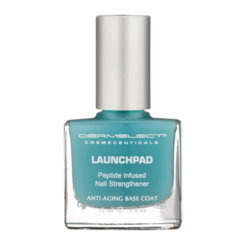
Launchpad Nail Strengthener Base Coat
Peptide-infused base coat for thin, weak, or brittle nails.
STEP 2 — PROTECT
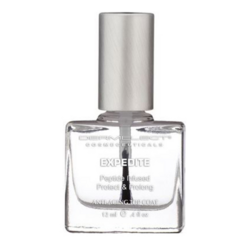
Expedite Protect and Prolong Top Coat
Quick-dry topcoat that helps prevent chipping, splitting, and breakage.
STEP 3 — NOURISH
Rejuvenail Fortifying Nail & Cuticle Treatment
Daily nail and cuticle cream to restore moisture and flexibility.

Other Brands Worth Knowing
Dermelect isn't the only option for damage- and fungus-related brittleness. A few other reputable brands carry products eSkinStore stocks for similar concerns:
Other Brands Worth Knowing
Dermelect isn't the only option for damage- and fungus-related brittleness. A few other reputable brands carry products eSkinStore stocks for similar concerns:
- La Biosthetique Nail and Cuticle Care — a daily conditioning treatment for general nail and cuticle upkeep.
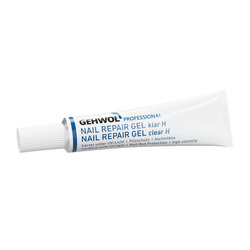
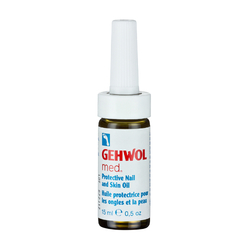
- Gehwol Nail Repair Gel and Gehwol Med Nail and Skin Protection Oil — strong picks if fungal involvement is suspected alongside brittleness.
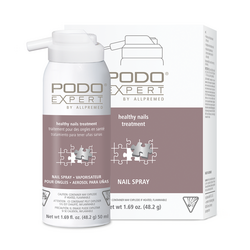
- Footlogix #7 Nail Tincture Spray and Podoexpert by Allpremed Healthy Nails Tincture — biotin-rich anti-fungal tinctures, useful when nail thinning overlaps with infection.
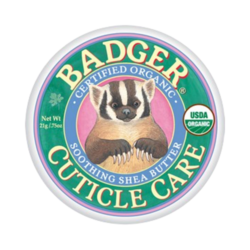
- Badger Balms Cuticle Care — a USDA-organic shea butter balm for dry, splitting cuticles, for those who prefer clean formulations.
Mixing brands is fine — what matters is matching the formula to the cause, not staying loyal to one line.
Most cases of brittleness improve with the adjustments above. However, some symptoms deserve closer attention:
- Sudden, severe splitting
- Pain around the cuticle or surrounding tissue
- Discoloration that isn't consistent with bruising or polish staining
- Fragility that extends to the nearby skin
These signs may point to a fungal infection, psoriasis, or an underlying health condition that requires professional evaluation rather than trial and error at home. A licensed aesthetician or dermatologist can assess what's happening at the growth center beneath the cuticle and identify the root cause—something that's difficult to determine accurately through self-diagnosis alone.

 |
Summary & Insights
Brittle nail syndrome rarely has a single cause. Diet, mechanical damage, and underlying health conditions frequently interact, which is why isolating the dominant factor — rather than guessing — leads to better outcomes. The goal isn't to throw every product at the problem; it's to match the right intervention to the right cause.
With the right combination of nutritional support, gentler nail habits, and professional guidance when needed, most brittle nails can be restored to a stronger, more resilient state over time.