Beauty Tech Breakdown: LED Therapy and Blue Light Skincare
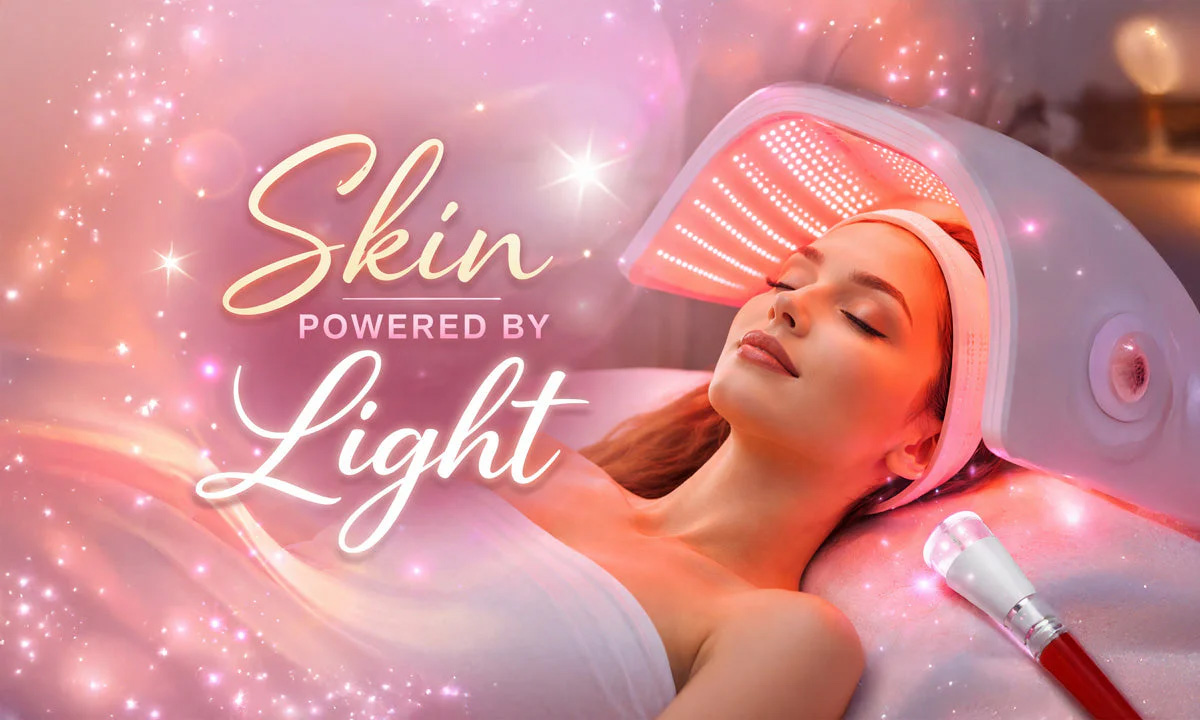
Walk into any beauty store today and you’ll see glowing masks, futuristic wands, and sleek devices promising better skin through the power of light. Scroll social media, and influencers relax under colorful panels while clinics advertise advanced laser light procedures for acne, wrinkles, and scars. What once sounded like science fiction is now a mainstream skincare trend powered by real research and improving technology.
But with so many options, new users often wonder: how does light therapy actually work, and which type is worth the investment? Understanding the difference between gentle LED light and high-energy laser light helps you make smarter choices. Both rely on controlled light exposure to trigger biological skin responses, yet they vary greatly in strength, depth, cost, and results.
This guide breaks down how modern light treatments work, compares at-home devices with professional procedures, and explains how blue and red light therapies differ in real clinical settings. Whether you're a beginner curious about glowing masks or someone considering laser light sessions, you’ll find practical insights grounded in science and explained in friendly terms.
The goal is simple: clearer skin decisions powered by a better understanding of light technology.
LED Light Therapy Explained
LED phototherapy uses specific wavelengths of visible light (red, blue, and near-infrared) to trigger cellular changes in skin without heat or UV.
Red/near-IR light (around 630–660 nm or 830 nm) penetrates deep into the dermis to boost collagen synthesis and healing, improving texture and fine lines.
Blue light (around 415–450 nm) stays more superficial, killing acne-causing bacteria and reducing inflammation. This process, called photobiomodulation, is noninvasive and painless (no downtime).
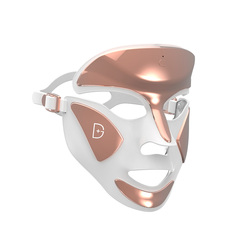
Dermatologists have long used strong LED lights in-office for acne, rosacea, and anti-aging. In recent years, these devices have become available for home use—from handheld wands to full face masks.
Importantly, FDA-cleared LED devices meet safety standards for consumer use. They emit modest power (tens of milliwatts per cm²) at safe energy levels. By contrast, professional systems deliver much stronger light (hundreds of mW/cm²). For example, one at-home LED mask delivers roughly 44 mW/cm² total, whereas an in-office panel can exceed 100 mW/cm² per color.
 |
Blue light, meanwhile, excites bacterial porphyrins and creates reactive oxygen species in microbes, effectively killing Propionibacterium acnes (the acne bacteria) and reducing breakouts. |
Safety: Both home and office LEDs are generally safe. Unlike UV, these visible lights do not cause DNA damage or cancer. Common side effects are mild (temporary redness or eye strain, so wear goggles, especially with blue light. The key is using devices as directed.
The AAD (American Academy of Dermatology) notes that “most at-home devices contain LEDs, which are considered safe for home use." Still, people with light-sensitive conditions (e.g., lupus) or very dark skin should consult a doctor, as any bright light can occasionally trigger odd reactions.
| "Light-based skincare blends science, convenience, and visible results in one modern routine." |
At-Home LED Masks vs. In-Clinic Therapy
A big question: Should you buy an LED mask, or just book treatments? The answer depends on power, cost, convenience, and your skin goals. We compare the two approaches below:
| At-Home LED Mask | In-Clinic LED Therapy |
|---|---|
| ~30–70 mW/cm² (per color) 3–5×/week (10–20 min each) $50–$500 one-time Mild acne, daily maintenance, supplemental anti-aging |
~100–150+ mW/cm² (per color) Weekly or biweekly (20–30 min) $25–$150+ per session Moderate/severe acne, post-laser healing, faster rejuvenation |
In other words, for mild-to-moderate acne or early aging, a home LED mask can help, especially with consistent use. |
 |
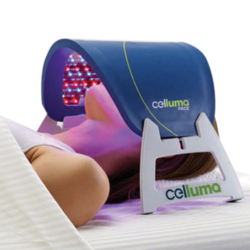
In-clinic LED treatments produce results faster. Dermatologists typically use intense LED panels (or lasers) once a week for 6–12 sessions. This high-power regimen can produce visible skin smoothing and healing in 1–2 months. Clinics often combine LED with other procedures (like peels or lasers) to boost results. For example, one study reported that adding in-office red light after a laser reduced swelling and redness.
- Cost: Upfront, an at-home LED device costs a few hundred dollars (some masks range from $50 up to $1000+). A one-time purchase could be cheaper long-term if you use it for years. In contrast, each clinic visit costs around $25–$150 (prices vary widely). If your protocol is 8 sessions, that could total $200–$1000. Keep in mind that many practitioners sell packages or include LED in facials.
- Safety & Oversight: In a clinic you get professional guidance and eye protection. Home devices require self-responsibility: read instructions carefully and never use more than recommended. FDA clearance matters. Several at-home LED masks are FDA-cleared, meaning they meet safety standards. Mayo Clinic experts advise: if you try an LED mask, choose an FDA-cleared model.
 |
Bottom line: Use at-home LED as a handy supplement. It’s non-invasive and can maintain skin health between professional treatments. But don’t expect it to do miracles overnight. For deeper issues (like stubborn acne scars, deep wrinkles, post-surgery healing), go pro – in-office LED or laser therapy gives stronger doses of light and faster outcomes. |
Laser vs LED Skincare: Blue and Red Light
Laser light therapy is more advanced than LED treatments. While LEDs spread light over broader areas, lasers concentrate high-energy beams onto precise targets. This focused delivery allows deeper penetration and stronger biological effects, which is why laser procedures are widely used in dermatology clinics for faster and more dramatic improvements.
Blue and red wavelengths can be delivered through both laser and LED devices, but their purposes differ based on skin concerns and treatment depth.
• Blue light treatments are primarily used for acne-prone skin. They destroy acne-causing bacteria, calm inflammation, and help regulate oil gland activity. Because blue light works near the skin’s surface, it is especially effective for active breakouts, redness control, and pore-related issues. Dermatologists often recommend blue light therapy for teens and adults whose acne does not respond well to topical treatments.
• Red light treatments target deeper layers of the skin. By stimulating fibroblast cells, red light boosts collagen and elastin production, improves circulation, and supports tissue repair. These effects help reduce fine lines, improve firmness, enhance overall texture, and speed up recovery after cosmetic procedures.
Many modern devices combine both wavelengths for enhanced outcomes. Alternating treatments can address active acne while promoting healing and minimizing post-acne marks, making dual-light therapy popular in clinics and high-end home devices.
The best option ultimately depends on whether your priority is acne treatment, intensive correction, or long-term skin rejuvenation.
 |
|
Making Smarter Choices with Light Therapy
Light-based technology continues to advance noninvasive skincare, offering options that fit different budgets and treatment goals. At-home LED devices provide gentle, gradual improvements, while in-clinic laser procedures deliver faster, more targeted results for complex concerns.
Blue light helps control acne, whereas red light stimulates collagen production and supports skin repair. As innovations continue, these treatments are becoming more personalized and accessible for new users.
The best choice is the treatment that fits your skin's needs, comfort level, and long-term skincare goals.
“Choosing the right light therapy depends on your skin goals, budget, and comfort level.” |