Color Care 101: Keep Your Hair Bright, Bold, and Healthy
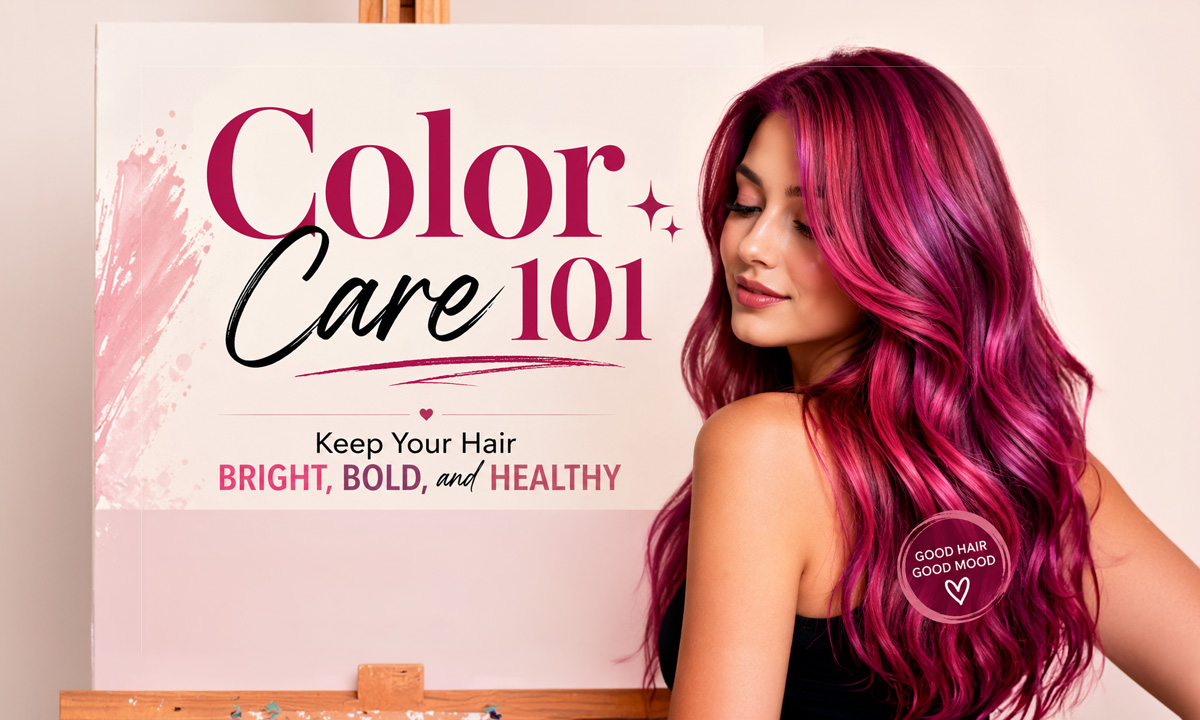
Getting your hair colored is one of those things that feels amazing — until three weeks later, when the vibrancy starts to fade, the brassiness creeps in, and your once-gorgeous color looks like it gave up on you. Sound familiar?
Here's the thing: color doesn't fade because hair dye is bad — it fades because most people don't adjust their routine after coloring. The products you used before, the way you wash, the heat you apply — all of it has a bigger impact on your color's lifespan than you probably realize.
This guide covers everything you need to know to protect your color from day one. No complicated routines. No gatekeeping. Just practical habits that actually work.
Why Hair Color Fades in the First Place
To protect your color, it helps to understand what's actually happening to your hair when it's dyed.
Hair dye works by opening the hair cuticle—the outermost layer of each strand—and depositing color molecules inside the cortex. Once the color is in, the cuticle closes back up. The problem is that color-treated hair has a permanently weakened, more porous cuticle. That means it's easier for color molecules to escape, especially when exposed to the wrong conditions.
|
The result is fading, dullness, and brassiness—all before your next salon appointment. Permanent hair color and semi-permanent color also behave differently. Permanent dye alters the hair's natural pigment, so it fades more slowly but can shift in tone (think warm, orange undertones on brunettes or brassy yellows on blondes). Semi-permanent color sits closer to the surface, so it fades faster and more evenly — usually within four to six weeks. |
 |
Building Your Product Foundation
Before you even think about your routine, you need the right products in your corner. This is where most people go wrong—they keep using the same shampoo and conditioner they had before coloring and then wonder why their color disappears so fast.
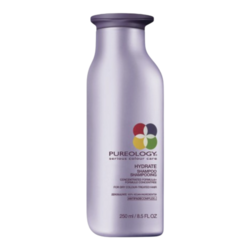
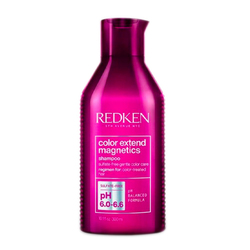
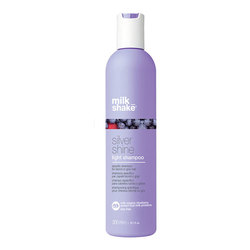
Switching to a sulfate-free, color-safe shampoo is the single most impactful change you can make. Sulfates are powerful cleansing agents found in most conventional shampoos, and they're great at removing dirt — but they're also great at stripping color. A gentler, sulfate-free formula cleans your hair without pulling the color out every wash day.
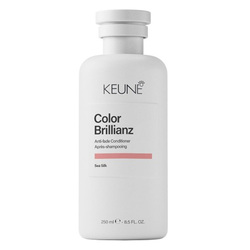
For conditioner, look for formulas that focus on sealing the cuticle and restoring moisture. Color-treated hair tends to be drier and more porous, so hydration is essential. A good conditioner also helps smooth the cuticle down, which is what gives color-treated hair that glossy, fresh-from-the-salon look.
 |
One ingredient rule to live by — avoid anything containing:
|
 |
Your Weekly Wash Routine
The 48-hour rule is real, and it matters. After getting your hair colored, wait at least 48 to 72 hours before your first wash. The color needs time to fully bond with the hair shaft, and washing too soon — even with gentle products — can disrupt that process and cause early fading.
When you do wash, keep the water temperature cool or lukewarm. Hot water is one of the fastest ways to open the cuticle and speed up color loss. It's a small adjustment that makes a noticeably big difference over time.
Aim to wash your hair two to three times a week rather than daily. Every wash — no matter how gentle your shampoo — removes a small amount of color. Extending your wash days preserves both color and moisture. On non-wash days, dry shampoo is your best friend. Look for residue-free formulas that don't leave a white cast, especially if your hair is dark.
When you do wash, apply your sulfate-free shampoo mainly to the scalp and roots (where oil and buildup actually collect), and let the lather rinse through the lengths without scrubbing. Conditioner goes on mid-lengths to ends—avoid the roots unless your scalp is very dry. Finish every single wash with a cool water rinse to seal the cuticle back down.
Once a week, replace your regular conditioner with a deep conditioning mask. Color-treated hair is thirstier than untreated hair, and a weekly treatment restores the moisture and protein that chemical processing depletes. If you're blonde or highlighted, swap in your toning mask once a week to keep brassiness in check.
Daily Habits That Make or Break Your Color
|
Your wash-day routine only accounts for a few days a week. What you do every other day matters just as much. Heat styling is one of the most overlooked causes of color fade. Flat irons, curling wands, and blow dryers all use high temperatures that degrade hair color — especially reds and blondes, which are the most heat-sensitive shades. Always apply a heat protectant before any hot tool touches your hair, and lower the temperature setting whenever possible. Your color will thank you. Sun exposure is another silent fader. UV rays break down hair dye the same way they bleach fabric left in the sun. If you're spending time outdoors, a UV-protectant hair spray or leave-in treatment is worth adding to your routine. A hat works too — and it doubles as a style choice. |
 |
At night, swap your cotton pillowcase for silk or satin. Cotton creates friction that roughens the cuticle and can pull color out over time. Silk reduces that friction, and it's better for the hair's surface overall. If you're prone to tangles, loosely braiding or twisting your hair before bed also helps protect the lengths while you sleep.
For detangling, always use a wide-tooth comb on wet hair — never a brush. Wet hair, especially color-treated hair, is significantly more fragile and prone to breakage. Starting from the ends and working up prevents unnecessary stress on the strand.
What to Avoid (Seriously)
Some habits actively undo everything else you're doing right. Here's what to watch out for:
Chlorine — one of the worst offenders for color-treated hair. It strips color, can turn blonde hair green, and severely dries out the hair. If you swim regularly, wet your hair with fresh water first (saturated hair absorbs less chlorine), and rinse thoroughly after. A leave-in conditioner or hair oil before getting in adds an extra barrier.
Hard water — mineral deposits from calcium and magnesium build up on the hair shaft, making color look dull and blocking products from doing their job. A monthly clarifying treatment helps remove that buildup — just follow it with a deep conditioner, since clarifying can temporarily dry the hair out.
Too many active treatments at once — overloading color-treated hair with acids, peels, and strong actives breaks down the color faster and weakens an already compromised structure. Less is more here.
 |


The Bottom Line
Color protection isn't a single product or a single step. It's a collection of consistent habits that work together to preserve what you've invested in.
Here's your quick-reference checklist:
Switch to a sulfate-free, color-safe shampoo
Wash with cool or lukewarm water—always.
Deep condition once a week
Apply heat protectant every time before styling
Use a UV-protectant spray on sunny days
Book a toning gloss between full-color appointments
Trim every six to eight weeks to keep ends fresh
Your color is worth it. Build the routine around it, and it'll stay looking fresh far longer than you'd expect.
 |